5184 Pioneer Road, Meridian, MS 39301
601-483-5211  FAX: 601-483-4762
International Contact: Carlos Calderon
E-Mail Us!

"Mounting" Concerns

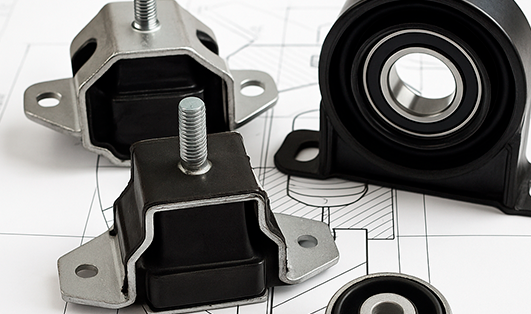
Pioneer: The One-Stop Source For Automotive Mounts

Pioneer offers a complete range of mounts for domestic and import cars and trucks:

  • Engine (solid and hydraulic),
  • Transmission,
  • Body-to-frame,
  • Driveshaft supports and Suspension strut.
With the broadest coverage of these mounts in the market, Pioneer assures you of the right mount for the job, when you need it!

Vehicle Mounts

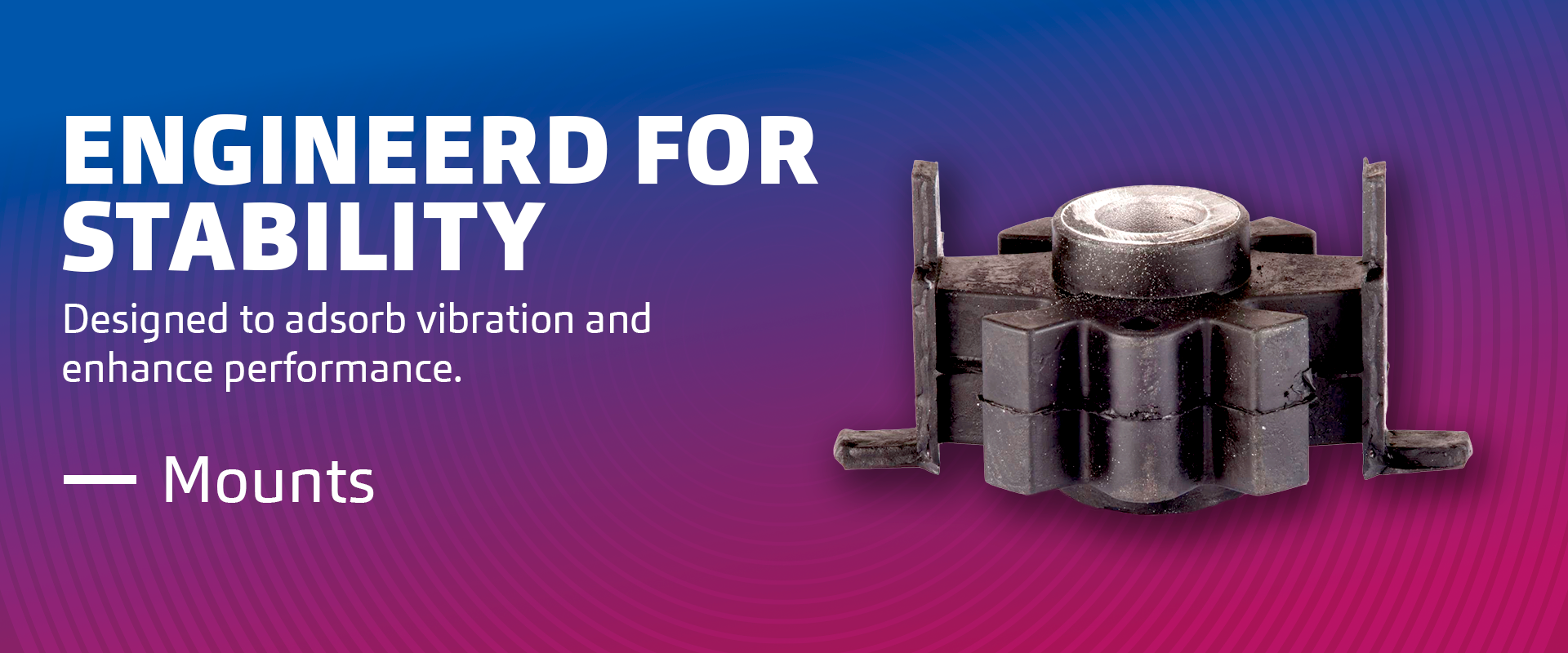
Mounts may have as many as three functions. First, it is an attachment point for a part or system to the chassis. Secondly, it often acts as an isolator – keeping noise and/or vibration from being transferred to the driver and passengers. In some cases, it may also be an adjustment point to keep a component in proper alignment.

Most mounts are made of steel and rubber. Time, heat, automotive chemicals and vapors will deteriorate the rubber. Because mounts are often out of sight, they are ignored when a vehicle is serviced. Slowly, the rubber will deteriorate and the vibrations begin to be felt.

If these problems aren’t addressed, the results can range from annoying noises to binding and ultimately, destruction of components. Understanding why these relatively simple components fail will allow a technician or do-it-yourself enthusiast to guard against a worse problem in the future.


Engine Mounts


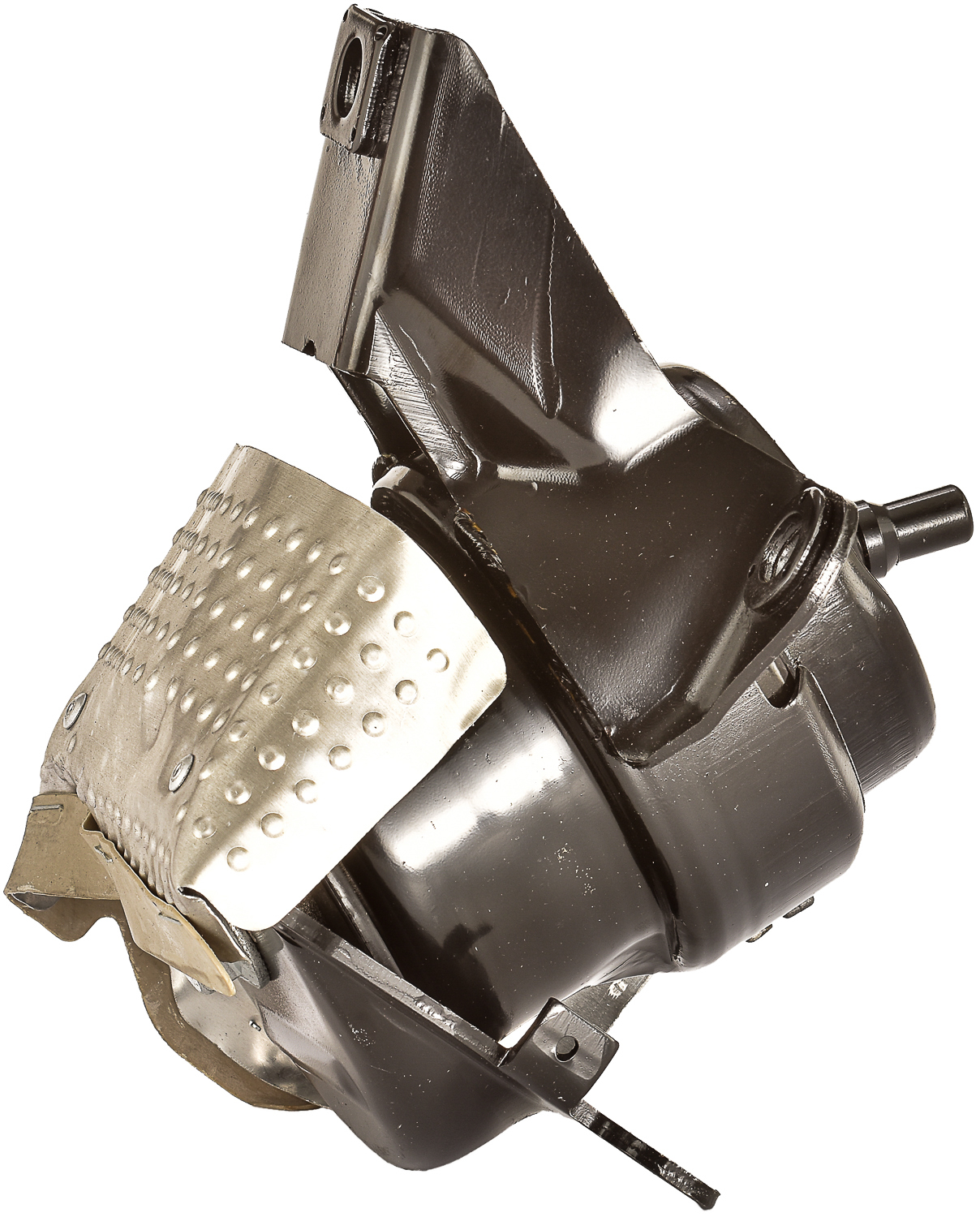
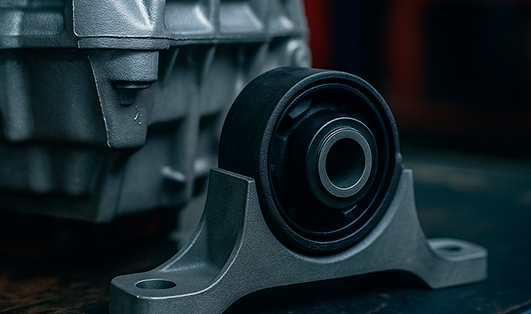
Engine mounts properly locate the engine in the chassis, and are an important factor in how smoothly a vehicle operates. The mounts are designed to allow a certain amount of rotation, plus dampening much of the engine vibration.

In many cases, engine mounts are never replaced in the service life of a car or truck. Pioneer highly recommends that the mounts be replaced when an engine is removed for major service or replacement.


Transmission Mounts


Transmission mounts work with the engine mounts to control torque and vibration in the driveline, and minimize the vibration transmitted to the chassis. The transmission mounts also assure the proper alignment of the linkage, which is very important with standard shift and clutch linkages.

Transmission mounts (as well as transfer cases for four-wheel drives) are a key part of mounting the drivetrain on all vehicles. The transmission mount forms the rear support of the engine/transmission assembly, and provides the correct operating angle for the front of the driveshaft.

Should the transmission mount begin to fail, the vibration from the driveline would be felt by the driver and passengers, and the universal joint yokes and cross pieces would begin to suffer accelerated wear. Should this condition be allowed to continue, the driveshaft yokes and/or the transmission mount might fail.

A related mount, the driveshaft center support mount, splits a driveshaft into two sections to reduce the flex and vibration. The mount not only locates the driveshaft and minimizes vibration to the frame; it also keeps the shaft in correct alignment with the transmission.

Again, when the transmission is removed for service, these mounts should be replaced.

Body-to-Frame Mounts

Body and frame mounts are less important on automobiles since the introduction of uni-body construction. However, they are still used for mounting the cab to the frame on light trucks, and virtually all older automobiles use them.

These mounts are basically rubber "doughnuts" between the body or cab and the frame. They help assure that road and driveline vibrations are further isolated from the driver and passengers.

Like all other mounts, they deteriorate; drying out, cracking and eventually the rubber's resiliency disappears. In the most severe cases, the mount may break apart and fall out.

Failing body-to-frame mounts will result in a harsh, unpleasant ride and poor interior noise quality. Additionally, they may begin to cause misalignment of critical control linkages for the throttle, clutch or transmission.

Suspension Strut Mounts

Vehicles equipped with McPherson strut suspensions use a mount between the strut and the chassis at the upper strut attachment point. These mounts are a vibration dampener and provide a degree of suspension compliance, just as with the bushings at other suspension attachment points.

Broken or worn mounts:
What's the problem?

Worn mounts are an aggravation; broken mounts can be costly, and even dangerous.

Engine Mounts

Worn engine mounts often can have a couple of effects. First is the aggravation of increased engine noise and vibration. The second can be binding of linkages: i.e. throttle and some transmission related controller linkages. These can show themselves in what appears to be increased pedal pressures or slower responses to driver inputs.

In cases approaching failure, or actual failure, abnormal noises on acceleration and deceleration and severe linkage binding may occur. In the worse possible case, the throttle linkage can be jammed, resulting in unintended acceleration. On vehicles with a belt-driven, water pump mounted fan, a broken mount may cause the engine to rotate forward and puncture the radiator with the fan blades.

Excessive engine "rocking" can create dangerous exhaust leaks where the head pipe joins the exhaust manifold. A failed mount will also contribute to exhaust system rattles. The doughnut that seals the exhaust joint can be crushed or broken by the engine’s excessive motion, or the head pipe or exhaust flange may crack or break. Obviously, this is a health risk!

Problems with the engine mounts can lead to a chain reaction down the driveline. Worn or broken engine mounts places an added strain upon the transmission mount, and may lead to misalignment of the driveshaft. This may eventually cause the transmission mount and/or the universal joint yokes to fail.

Transmission

As with the engine mounts, a failing transmission mount may result in increased vibration. There may also be the abnormal noises coming from the rear of the transmission as the transmission engages and shifts.

A failing transmission mount will also increase the stress upon the engine mounts, and failure may cause questionable engine mounts to also fail. Problems with the transmission mount and/or the driveshaft center support mount can lead to serious driveline problems: worn or failed universal joints.

Body-to-frame mounts

Perhaps less serious than drivetrain related mount problems, the deterioration or failure of the body-to-frame mounts can be annoying.

Since the control cables and linkages are dependent upon the correct alignment of the body to the system they control, a failing or failed body-to-frame mount can cause binding, and if combined with a problem with a transmission or engine mount, the problem is magnified.

A failing body-to-frame mount can mean a noisy and harsh ride quality. A failed mount may also cause the body or cab to lean when cornering.

Strut Mounts

Worn out strut mounts can cause handling and ride-quality problems.

As the strut works to dampen the suspension, a worn or failed strut mount may cause the strut and the strut tower of the chassis to move independently of one another. Again, unusual noises from the strut area may signal the problem. This may lead to very poor handling performance, a bent or otherwise damaged strut or a failure of the strut tower.

Technical tip

A quick check for engine mount problems

Often, complaints about binding linkages or abnormal noises are indicators of mount problems in the engine or transmission areas.

Here's a quick first check diagnosis. With the engine running and parking brake applied, have an assistant behind the wheel apply the brake, then place the transmission in gear and feed the engine some throttle. Stand to the side of the vehicle (never in front of it) and observe the engine's response.

All engines will rotate slightly opposite to the direction of the crankshaft rotation. However, a severely worn or broken mount will cause the engine to show excessive movement, sometimes raising several inches. To check the mounts on the other side of the engine, have the assistant place the transmission in reverse, and repeat the process.

This procedure is ideal to visually explain to a customer questioning the need for mount replacement.

A sound rule-of-thumb should be if the engine and/or transmission needs removal for service, the mounts should be replaced. Additionally, replacement of suspension struts requires replacement of the strut mounts.

Another good rule-of-thumb is to inspect the condition of the mounts every time a vehicle is on a lift, especially the engine, transmission and strut mounts. It could solve potentially serious problems that could be very costly to repair.

If you find leaks of hydraulic fluid from a mount, it indicates a hydraulic mount has failed, and must be replaced.

These are sound professional practices as well as business practices. Replacement of damaged mounts with new ones from Pioneer can save a customer hundreds of dollars in potential damage, while adding to your bottom line and reputation of providing thorough service.


More Product Info